“Thrive in 2025!”
Five themes will define the economy and markets as we start 2025
1. Government Policy.
2. The Economy.
3. Fed and global central bank stimulus.
4. Markets.
5. Asset Allocation.

Five themes will define the economy and markets as we start 2025
1. Government Policy.
2. The Economy.
3. Fed and global central bank stimulus.
4. Markets.
5. Asset Allocation.

Optimism is rising: The U.S. economy and markets are going to continue to improve because Trump’s pro-growth, America-First administrative agenda – which will include tax cuts, deregulation, decreased trade deficits, and, most importantly, reduced government spending – promises to be extremely effective. Investors know it. Confidence has skyrocketed among corporate executives, small businesses, households, students, and… even farmers.
The promise of a smaller government is what won the election. Reckless government spending, rising deficits, and rising debt levels were inevitably followed by price increases. This is why the new administration’s conservative government agenda was voted into power. It’s always about economics.

Voters understood that the previous administration’s policies were slowing growth and inflating the economy. They knew their personal economic prospects were deteriorating and that increased indebtedness, aggressive government spending, and the money printed to pay for it were the cause of their livelihoods’ destruction. They also knew that another four years of the same policies would inevitably result in higher taxation.
The Democratic Party lost the election because of deteriorating economic conditions. Read More »
• The U.S. election completely dominates investor psychology. It is the most critical short-term market catalyst as it has significant economic and market implications.
• If the critical issues for voters are inflation and crime, Trump will win. If it’s something other than that, Harris will win, and it might be.
• From Bitcoin and Oil to stocks and bonds to the Dollar and gold, markets are pricing in a Trump victory.
The election is just days away! Read More »
Unlimited public welfare spending will destroy the country if it is not stopped. The exorbitant – and impossible to repay – government debt purchased by the current administration with fiat money to fund it will ultimately crush all investments. This is why Gold (and increasingly, Silver) and crypto are in the midst of rampaging bull markets.
Fed Watch is on. No rate cut this week — for sure — and traders are not betting on one in March either, but Powell will probably keep the door open so that stocks and bonds do not face a drawdown.
• That means the first possibility of a cut will not present itself until May 1st.
• The Employment report comes out Friday, and earnings reports from some of the most important companies will filter in all week.
• Considering where we are with respect to valuations, the slightest negative surprise in any of the data could have outsized effects on markets.
Fed Watch is on. No rate cut this week — for sure — and traders are not betting on one in March either, but Powell will probably keep the door open so that stocks and bonds do not face a drawdown.
• That means the first possibility of a cut will not present itself until May 1st.
• The Employment report comes out Friday, and earnings reports from some of the most important companies will filter in all week.
• Considering where we are with respect to valuations, the slightest negative surprise in any of the data could have outsized effects on markets.
I think the most significant storyline of the week was the pushback by key Fed officials just prior to the Fed media blackout period. The message was that the market was ahead of itself in pricing six rate cuts over the course of the year. The Fed Funds Futures have taken the March Cut off the table. Stocks rallied by the end of the week anyway.
10y Treasuries closed at 3.94%, and 3-month bill rates remain at elevated levels (5.35%). The Treasury yield curve remains deeply inverted (1.41bps) because Treasury Bill supply remains simply enormous — over half a trillion will be auctioned again this month. Excessive indebtedness and steady deficit spending continue to be a burden even though most in the market these days simply ignore it. This is just shocking to me.

The icing on the cake is that the market thinks there will be 6 Fed rate cuts this year. Policymakers at the Fed, most of whom are non-voters, think there will be 3. I think there will be none. The market is ahead of itself.

Markets need to figure out a normalized level of interest rates appropriate to this volatile new era of De-globalization, rising military engagement, heightened Geopolitical tensions, excessive indebtedness, and the irrational rise in deficit spending.

The “peak Fed funds narrative” is all the rage. The risk rally off the October 27th lows completely overwhelmed the negative market inputs of persistent inflation, excessive indebtedness, deficit spending, weak political leadership, and increased fiscal and monetary stimulus.

“Just close the f**king door!” said Fed Chairman Powell after being interrupted by a protestor as he was delivering his latest Policy speech. That line attracted more attention than his comments, which suggested that more hiking may be needed to bring down inflation. Stocks ignored the restrictive bits and determined Powell was cool. The S&P 500 closed at its highest level since September 20th!
“Just close the f**king door!” said Fed Chairman Powell after being interrupted… Read More »
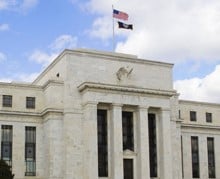
Global macro geo-political and economic factors will remain the most significant factors for investors in the days, weeks, and months ahead.
Chairman Powell insists the Fed isn’t thinking about rate cuts… Read More »

Global macro geo-political and economic factors will remain the most significant factors for investors in the days, weeks, and months ahead.
As the Middle East conflagration intensifies, investors are losing confidence… Read More »
Global macro geo-political and economic factors will remain the most significant factors for investors in the days, weeks, and months ahead.
War returns to the Middle East as Israel prepares for a ground invasion of Gaza. Investors’ “Flight to Safety” trades dominated market action last week. That trend will continue.
War returns to the Middle East as Israel prepares for a ground invasion of Gaza. Read More »

Inflation is rising because government spending is rising, exacerbating an already severely imbalanced labor market. The demand for labor enforces salary bargaining power, so wages are rising; this is the source of structural inflation, which is becoming systemically embedded into the economy.
Bond yields are rising because Supply is rising… and Demand is falling. Read More »

Inflation is rising because government spending is rising, exacerbating an already severely imbalanced labor market. The demand for labor enforces salary bargaining power, so wages are rising; this is the source of structural inflation, which is becoming systemically embedded into the economy.
Inflation is rising because government spending is rising… Read More »

“It’s the strike, it’s government shutdown, resumption of student loan payments, higher long-term rates, oil
price shock,” said Fed Chairman Jerome Powell last Wednesday, responding to a question about external
factors that supported the Fed’s decision not to hike rates.
The Fed has paused its interest rate hiking campaign… Read More »